- Home
- About
- House of Brands
- RESTAURANT THINK
- INSIGHT
- Table Envy
- The Power of Hospitality
- The Liquid Revolution
- The Vanity Metric Trap
- Beyond the Plate
- Anchor Your Calendar
- Standout Guest Experience
- Decoding Gen Z
- Local Community Anchor
- The Death of the Scroll
- Elevating the OC Table
- The Dip Dynamic
- Art of Modern Imbibing
- The First Imbibe Week
- 2027 Restaurant Industry
How Experience and "Table Envy" Drive Restaurant Success

Beyond the Plate: How Experience and "Table Envy" Drive Restaurant Success
By The OCRA Team
In today’s dining landscape, exceptional food is no longer the sole reason guests choose to eat out it is simply the baseline expectation. With rising costs and evolving consumer habits, diners aren't just paying for a meal; they are choosing where to invest their disposable time and entertainment budgets.
To thrive, modern restaurants must master two powerful psychological drivers: experiential dining and "table envy."
1. The Magnetism of Experiential Dining
Dining out has shifted from transactional consumption to emotional engagement. Experiential dining is about creating an environment, a narrative, and a energy that guests cannot replicate in their own kitchens or through a delivery app.
Whether it's interactive menu offerings, live cooking elements, themed pairing events, or immersive atmosphere design, experience transforms a standard dinner into a memorable outing. When a venue provides a distinct, memorable atmosphere, price sensitivity decreases because the guest receives tangible entertainment value alongside their entrée.
2. Generating "Table Envy"
Every operator knows the moment: a server walks across a crowded dining room carrying a sizzling platter, a dramatic smoke-infused cocktail, or a towering, multi-layered specialty burger. Every head in the room turns. That is "table envy."
Table envy is the organic, irresistible impulse that happens when a guest sees what someone else is having and immediately thinks, "I need to order that next time." It turns dining rooms into living advertisements. In an age dominated by social media, table envy translates directly into digital engagement guests photograph visually captivating dishes, share them instantly online, and drive immediate word-of-mouth excitement for the brand.
3. The World Cup Blueprint: The Ultimate Case Study
There is no better modern example of experiential dining and shared energy than major global sporting events like the FIFA World Cup.
During the tournament, restaurants and pubs transform from simple eating establishments into communal hubs. What makes the World Cup strategy so powerful for hospitality isn't just the game on the screens it's how smart operators curate the surrounding experience:
The World Cup Formula:
- Communal Energy: Shared cheers, collective groans, and unified excitement create an electric atmosphere that cannot be felt sitting on a couch at home.
- Limited-Time Offers & High-Margin Items: Stadium-style shareables, themed global drink pairings, and featured game-day platters generate immediate "table envy" across neighboring tables.
- Active Engagement: Staff wearing national team kits, interactive bracket contests, and customized halftime specials turn passive spectators into active participants.
When guests leave a restaurant after a high-stakes match, they aren't just remembering the taste of the wings or the cold draft beer—they remember the feeling of celebrating a winning goal surrounded by fifty other passionate fans.
The Takeaway for Operators
Restaurants that focus solely on operational efficiency miss the ultimate growth engine: human connection. By intentionally designing visual "wow" moments that trigger table envy and crafting events that foster community energy, operators build loyal brand advocates who return time and time again.
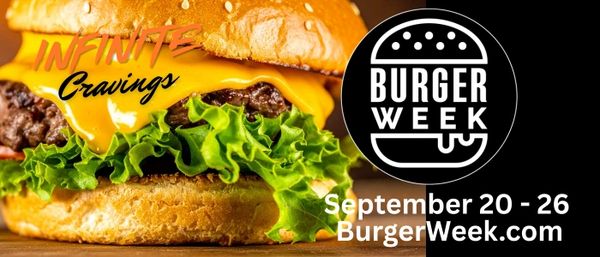
Burger Week Returns September 20 - 26, 2026
Elevate your expectations | One week. Infinite cravings